How Angel Studios, the Angel Guild, and one Independence Day film revealed that the audience of faith is not merely a market. It is a force that can move the culture.
For years, families asked the same question: why does Hollywood keep making stories we do not want while ignoring the ones we have been asking for?
Then the answer began to change. Somebody started making them.
The deeper question now is whether the audience of faith will recognize what has been placed in its hands.
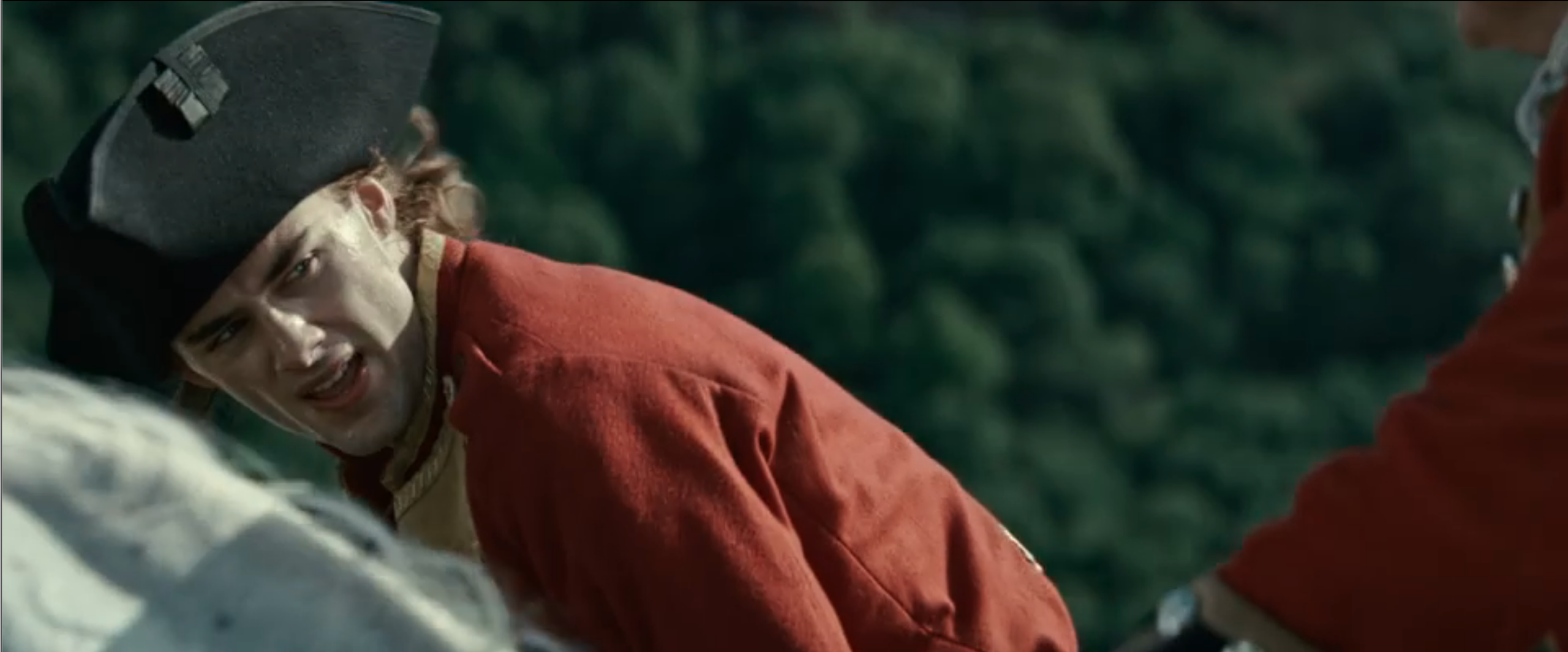
Young Washington opened over America’s 250th-anniversary weekend and, on the Fourth of July itself, stood as the number-two film in America — a small studio’s historical drama out-earning franchise titles built for many times the cost. By its third weekend, it had reached approximately $41 million domestically. [1] [2]
Those numbers matter. But the larger story is not the scoreboard. That story belongs to the film itself. The story here is the audience standing behind it.
The force Hollywood kept missing
In July 2026, Angel Studios described the Angel Guild as a community of 2.6 million paying members who watch, screen, and vote on which films and series get produced and distributed in theaters and on the Angel app. [3]
Read that again.
2.6 million people who vote on what gets made are not an audience waiting to be served. They are a hand on the wheel.
For most of modern entertainment history, audiences entered near the end of the process. Studios chose the stories, financed them, made them, marketed them, and only then asked families whether they wanted a ticket. Angel reversed part of that sequence. The audience can gather early. It can vote. It can signal demand before the traditional gatekeepers have decided a story is safe enough, fashionable enough, or profitable enough to deserve a screen.
That does not make every Guild decision perfect. It does something more important: it gives conviction a pathway. The audience is no longer limited to complaining. It can move.
Watch the official video on YouTube.
We have seen this before
On July 4, 2023, Sound of Freedom became the number-one film in America on its opening day. Angel reported more than $11.5 million in direct box office and another $2.6 million in Pay It Forward tickets through the holiday, and called what followed a grassroots movement. [4]
Pay It Forward let one person buy a ticket for someone else. That sounds small. So do most beginnings.
The mechanism mattered because it turned agreement into action. People who believed a film should be seen could do more than post about it. They could remove the price of entry for another person and help a story travel.
Young Washington is not Sound of Freedom. The films carry different subjects, burdens, and calls. But the audience mechanism is related. Families gathered. Guild members moved. Churches, grandparents, veterans, teachers, parents, and young people bought tickets and brought others, until a film the industry had slotted beneath its larger releases became one of the defining events of the nation’s 250th-anniversary weekend. [1]
This is not random.
God is moving pieces on the board.
Stories are returning. Storytellers are rising. Distribution gates are breaking. And an audience that spent years feeling ignored is beginning to discover that it has a voice.
The signal changes when people act together
One family buying one ticket does not look like a cultural strategy. It looks like Friday night. But culture is built from repeated choices. The stories that survive are the ones people consistently support. The studios that grow are the ones people fund, subscribe to, recommend, and return to. The platforms that gain leverage are the ones that can prove an audience will move when the right story appears.
Studios notice. Theaters notice. Investors notice. Creators notice. The signal changes.
That is what audience-powered distribution means at the human level. It is not an abstract business model. It is a mother choosing a film she can discuss with her children, a grandfather buying another ticket because the first conversation was not enough, a church group filling a row, a teacher pointing students toward a story that makes history feel alive, a Guild member voting before the larger market has spoken. The audience becomes part of the pathway.
What the market learns
The entertainment industry does not hear private frustration very well. It hears patterns: opening weekends, repeat attendance, subscriptions that stay active, Guild votes, full rows on a Tuesday night, families who do not disappear once the social-media moment has passed.
A movement becomes durable when its support is not episodic. That is where the audience of faith has often weakened its own signal. We gather around one dramatic release, celebrate the surprise, and then go back to waiting. Meanwhile, creators need more than applause after a success. They need evidence before the next project is financed, during the hard middle when attention drifts, and after release, when a story has to find its long life.
Cultural agency is not one loud weekend. It is faithful repetition.

From viewer to advocate
There is a progression here, and it is worth naming plainly.
The first ticket simply says you showed up. The second ticket — the one you buy for someone else — says the story should travel. And the family you bring along says a movement is forming. That is the difference between consumption and stewardship. A consumer asks, “Was I entertained?” A steward asks, “What should this story change in me, and who else needs to see it?”
The screen is still not the destination. The film matters because of what happens when families leave the theater and keep talking. The ticket matters because it opens a door. The Guild matters because it gives millions of people a way to act together. But the work comes home one household at a time.
The wave is larger than one film
The wave metaphor still holds, but the wave is bigger than Young Washington. Angel is building an audience pathway. Wonder Project is building premium faith-and-values storytelling. Sight & Sound is proving that families will travel for world-class biblical theater. The Chosen proved the story of Jesus Christ could gather a global audience without hiding what the story is about.
The audience was rising at the same moment the stories were arriving.
That is not a coincidence. That is a Pattern.
The danger now is not that no one will make better stories. The danger is that believers will keep speaking as if they are powerless after God has placed tools, platforms, creators, theaters, and a gathered audience in front of them.
It is time to stop arriving late. There is a wave to catch.
Support the creators
Start with the people who made the work. See Young Washington through its official theatrical or official viewing pathway while it is available. Join the Angel Guild if its mission and model fit what your family wants to support. Follow Wonder Project. Pay attention to the creators building stories of faith, family, courage, covenant, and national memory. [1] [3] [5]
Then bring the story home. Ask your family: What did this film make us remember? What did it make us want to learn? What kind of stories are forming our home now? Which creators are building what we have prayed to see? And what are we willing to do besides complain?
We asked God for better stories. He is answering with storytellers, and they are building the films, the platforms, and the pathways. What happens to those stories next will not be decided in Los Angeles. It will be decided in living rooms, church lobbies, and group texts — one ticket, one conversation, one family at a time.
The audience of faith was never powerless.
It was only waiting to discover that it could move together.
Source Notes
[1] Angel, “America Has a New Favorite: Young Washington Becomes the #2 Film in America on July 4th,” July 2026 — Verifies the July 4 ranking, Angel’s largest live-action three-day opening, the Angel/Wonder collaboration, and the official audience-driven studio framing. For current viewing options, see https://www.angel.com/movies/young-washington (checked October 14, 2026 UTC).
https://www.angel.com/press/release/america-has-a-new-favorite-young-washington-becomes-the-2-film-in-america-on-july-4th
[2] Deadline, “Indie Film Box Office: The Invite & Young Washington,” July 2026 — Reports a domestic cumulative gross of approximately $41 million by the film’s third weekend. The Numbers independently reports $40,917,320 through July 19, 2026, the close of the third weekend: https://www.the-numbers.com/movie/Young-Washington-(2026).
https://deadline.com/2026/07/indie-film-box-office-obsession-the-invite-young-washington-1236998151/
[3] Angel, “Angel Founders Transfer More Than 10 Million Super-Voting Shares to Angel Mission Trust,” July 2, 2026 — Verifies Angel’s description of the Guild as 2.6 million paying members who watch, screen, and vote on which films and television series get produced and distributed. Membership figure is dated to Angel’s July 2026 announcement.
https://www.angel.com/press/release/angel-founders-transfer-more-than-10-million-super-voting-shares-to-angel-mission-trust-to-preserve-companys-mission-for-generations
[4] Angel Studios, “PAY IT FORWARD Technology Propels SOUND OF FREEDOM to #1 Movie in America July 4th,” July 2023 — Verifies the number-one July 4 opening-day claim, reported direct box office, the Pay It Forward ticket amount, and Angel’s description of the response as a grassroots movement.
https://www.angel.com/press/release/angel-studios-pay-it-forward-technology-propels-sound-of-freedom-to-1-movie
[5] Wonder Project, “About Us” — Verifies Wonder Project’s current mission, Jon Erwin’s role, and its position as a producer and curator of premium faith-and-values storytelling.
https://watchwonderproject.com/about-us